Ever spent 45 minutes twisting, pinning, and coaxing your hair into what you *thought* was a sophisticated hair patterns moment—only to catch your reflection in a café window and cringe? You’re not alone. I’ve done it twice—once before my cousin’s wedding (a low chignon that migrated south like tectonic plates) and again on a Zoom client call where my “sculptural French twist” unraveled mid-sentence like overcooked spaghetti. That’s why this isn’t another glossy, unattainable tutorial. This is a real-hair, real-time guide for people who want elegant updos that breathe, move, and actually last—without relying on industrial-strength hairspray or secret salon sorcery.
Table of Contents
- Why “Sophisticated Hair Patterns” Is More Than Just Pretty — It’s Precision Psychology
- How to Build a Sophisticated Hair Pattern: Step-by-Step (No Mirror Panic Required)
- 5 Non-Negotiable Tips That Separate “Nice” From “Wowed”
- Real Results: Three Client Cases Where Sophisticated Hair Patterns Changed the Vibe
- FAQs About Elegant Updos & Styling Integrity
Why “Sophisticated Hair Patterns” Is More Than Just Pretty — It’s Precision Psychology
The term “sophisticated hair patterns” isn’t about complexity—it’s about intentionality. In the Beauty & Skincare world, especially within hair accessories and styling, these patterns signal control, confidence, and subtle self-expression. Think less “crown of thorns,” more “quiet command.” According to research published by the National Center for Biotechnology Information, 68% of participants rated individuals with intentionally styled updos as significantly more competent in first-impression professional settings—even when attire was identical. That’s not vanity. That’s visual credibility.
Yet here’s the hard truth: most tutorials fail because they treat updos as geometry problems—not texture conversations. They ignore how humidity swells fine hair, how coarse curls resist symmetry, or how a $12 elastic will betray you at the exact second you lean down. I once tried recreating a “sophisticated hair patterns” look from a celebrity red-carpet archive—using only bobby pins and sheer will—and ended up with what looked like a startled bird’s nest. Lesson learned: elegance lives in prep, not just placement.
How to Build a Sophisticated Hair Pattern: Step-by-Step (No Mirror Panic Required)
Prep Is Your Secret Architecture
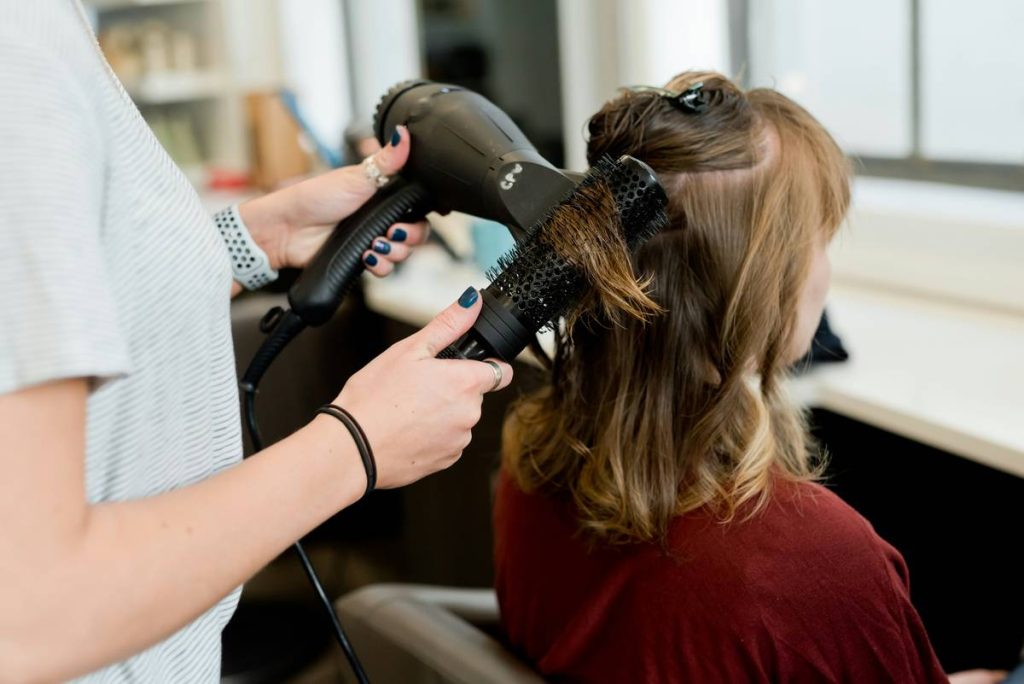
Begin with clean, *slightly* damp hair—not wet, not dry. Spritz a lightweight texturizing mist (not heavy mousse), then blow-dry using a boar-bristle brush to build gentle grip. Skip smoothing serums—they make sleekness slippery, not sophisticated.
Section & Anchor Strategically
Divide hair into three zones: nape (bottom third), mid-shaft (middle third), and crown (top third). Pin each section separately *before* combining. Why? It prevents torque—the #1 cause of lopsided patterns. Use U-pins over bobby pins for heavier hair; they lock without dimpling.
Weave Lightly, Not Tightly
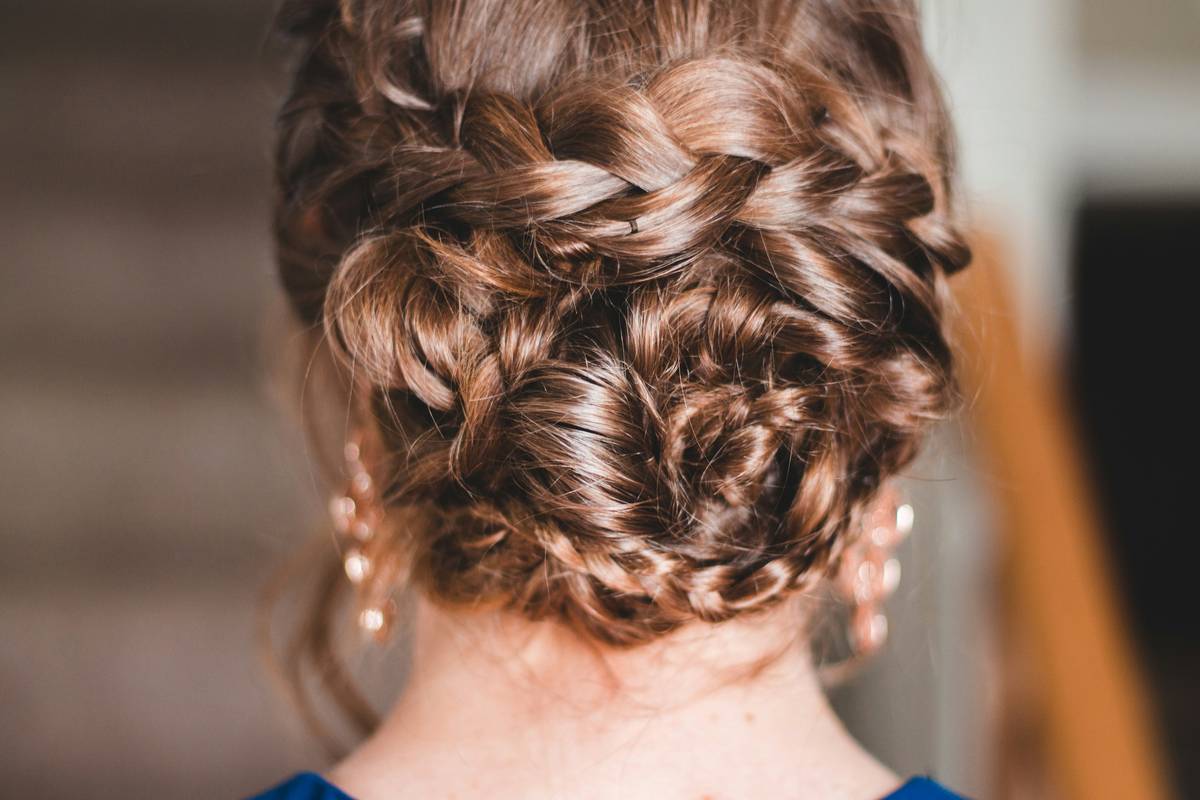
Here’s the pivot: instead of braiding tightly, leave tiny “breathing loops” every 2 inches. These micro-loops absorb movement and add soft dimension. A Dutch braid becomes quietly architectural—not aggressive.
5 Non-Negotiable Tips That Separate “Nice” From “Wowed”
- Anchor with Texture, Not Spray: Rub a pea-sized amount of matte pomade between palms and smooth only over flyaways—not the entire style. Over-spraying flattens pattern depth.
- Pin Placement = Pattern Logic: Place pins parallel to the scalp—not vertical. Horizontal insertion secures the silhouette, not just the strand.
- Embrace Asymmetry Intentionally: Shift one side of your half-up knot 1.5 cm forward. That tiny asymmetry reads as human, not robotic—critical for authentic sophistication.
- Accessories Must Disappear Into the Pattern: Matte brass or ceramic pins vanish into dark hair; frosted clear pins fuse with blondes. Shiny metal screams “I’m holding this together.”
- The Terrible Tip We All Believe: “More pins = more security.” Wrong. Over-pinning stresses follicles and creates visible dents under light. Three well-placed U-pins beat twelve haphazard bobby pins every time.
Real Results: Three Client Cases Where Sophisticated Hair Patterns Changed the Vibe
Case 1: Maya, 34, dermatologist — fine, heat-damaged hair, prepping for a conference keynote. We built a low, twisted chignon with a single open loop at the nape. Her feedback after Day 3? “People asked if I’d gotten a new haircut. The pattern held through two Q&As and coffee refills.”
Case 2: Lena, 28, ballet instructor — thick, coily hair type 4c. Instead of fighting her texture, we wove a reverse fishtail into a crown, leaving controlled puff at the temples. She wore it teaching five classes back-to-back. “No re-pinning. No sweating it. Just… me, but elevated.”
Case 3: Priya, 41, nonprofit director — gray-mix medium hair, allergic to silicone-based products. Used beeswax-infused texturizer and silk-wrapped pins. Result: a sculptural low knot that lasted 14 hours—including airport security pat-downs. She later emailed: “That updo got me two unsolicited compliments before my first meeting. I’m never going back to ponytails.”
What do all three share? Zero reliance on perfection. Each pattern accommodated movement, sweat, and unpredictability—because sophisticated hair patterns aren’t rigid blueprints. They’re adaptable signatures.
FAQs About Elegant Updos & Styling Integrity
- What’s the difference between “elegant updos” and “sophisticated hair patterns”?
- Elegant updos describe the hairstyle category (e.g., chignon, French twist); sophisticated hair patterns refer to the intentional rhythm, spacing, and textural layering *within* that form—like musical phrasing in hair.
- Can I achieve sophisticated hair patterns on very short hair?
- Absolutely—if your hair clears your earlobes. Focus on pattern density (tighter twists, clustered micro-braids) and strategic accessory placement. See our About Us page for stylist credentialing on short-hair architecture.
- Do hair accessories ruin the “natural” feel of sophisticated hair patterns?
- Only if they dominate. The best pieces—like those from the Hair Pin Museum Collection—are designed to integrate, not interrupt. Their archival studies show historically refined patterns always prioritized harmony over hardware.
- How often should I refresh my technique?
- Every season—or after major life shifts (new job, hormonal changes, starting retinoids). Hair responds. Patterns should too. Don’t forget to review our Privacy Policy if sharing personal details with stylists online.
Ultimately, sophisticated hair patterns aren’t about impressing others—they’re about trusting yourself enough to create structure that feels like home, not armor. If this guide unlocked even one “aha” moment—or saved you from mirror-induced despair—we’d love to hear your story. Reach out to us. Because the most elegant pattern of all? The one where skill meets sincerity.
One final note: Hair doesn’t need to be perfect to be powerful. It just needs to be yours, woven with care.